

From a 4-year Amazon UAE & Noon UAE Brand Owner
Finding winning products for Amazon UAE is the most important step in building a successful e-commerce business. The right product determines your profit, competition level, and long-term growth. In this guide, you will learn how to find profitable, high-demand and low-competition products on Amazon UAE using proven product research strategies.
This Amazon UAE product research guide shows you step by step how to validate demand, analyze competition, and calculate profit before selecting any product.
Common Mistakes When Choosing Products for Amazon UAE
Before covering what to do, it helps to understand what goes wrong. These are the mistakes I see new UAE sellers make repeatedly:
- Choosing a product based on personal interest without checking if anyone is actually searching for it on Amazon UAE
- Entering a category dominated by established brands with hundreds of reviews — competing against them as a new seller with zero reviews is nearly impossible
- Not calculating the true profit margin before ordering stock — after Amazon fees, shipping, and product cost, many 'profitable' products turn out to be break-even at best
- Copying exactly what another seller is doing without understanding why it works for them — their costs, their supplier relationship, and their review base are all different from yours
- Choosing a product that is too fragile, oversized, or heavy — these products have high FBA fees, high return rates, and high risk of damage during fulfillment
How to Use Amazon UAE for Product Research
The most powerful product research tool available to you is Amazon.ae itself — and it is completely free. Amazon shows you exactly what is selling, what buyers are searching for, and where the gaps in the market are. You just need to know where to look.
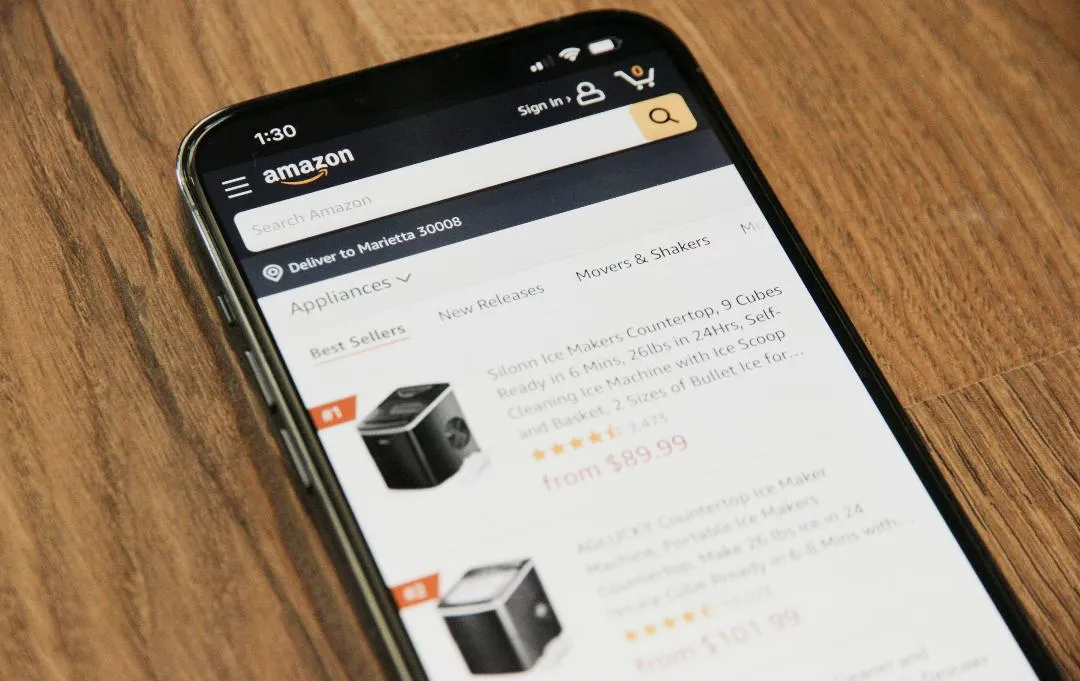
Check the Best Sellers List
Go to Amazon.ae and navigate to Best Sellers in any category. This list updates hourly and shows the top-selling products in every category and subcategory. Look beyond the top 10 — products ranked between 20 and 100 in a subcategory are selling well but have less competition than the absolute top sellers.
This is one of the easiest ways to find winning products for Amazon UAE without using paid tools.
Look at 'New Releases' and 'Movers & Shakers'
These sections on Amazon.ae show products that are growing fast. A product appearing in New Releases with strong early reviews is a signal of rising demand. Movers & Shakers shows products with the biggest ranking jumps — these are trend indicators that can help you spot what is gaining momentum before it becomes saturated.
Read the Reviews of Top Sellers
This is one of the most underused research techniques. Open the top 3 products in any category and read the 1-star and 2-star reviews carefully. Buyers tell you exactly what is missing, what breaks, what they wish the product did differently. Every complaint is a product opportunity — if you can solve that problem, you have a better product than what currently exists.
How to Validate Product Demand on Amazon UAE
Demand validation means confirming that enough people are actively searching for and buying your product on Amazon UAE before you invest money in stock. The biggest risk in product selection is ordering 200 units of something that only 10 people per month are looking for.
Check Search Volume Signals on Amazon
Type your main product keyword into the Amazon.ae search bar and look at the auto-complete suggestions. The terms that appear first are the ones searched most frequently. If your product keyword appears prominently in auto-complete, that is a demand signal. If you have to type the full phrase and nothing auto-completes, demand may be too low.
Count Active Listings and Review Velocity
Search your keyword and count how many products appear on page one. If there are multiple products with 50+ reviews and recent review dates, that confirms buyers are actively purchasing in this category. If the top listings have very few reviews or the last review was months ago, the category may have low demand or declining interest.
Check Noon UAE for Cross-Platform Validation
Search the same product on Noon.com. If the product is selling well on both Amazon UAE and Noon UAE, that is strong confirmation of genuine demand in the UAE market specifically — not just globally. UAE-specific demand is what matters for your business.
How to Find Low Competition Products on Amazon UAE
A product with strong demand but low competition is the ideal entry point for a new seller. Low competition does not mean no competition — it means the existing sellers are weak enough that a well-optimized new listing can compete and rank within 60 to 90 days.

Signs of Low Competition
- Top 3 listings on page one have fewer than 50 reviews
- Listing images are poor quality — blurry, bad lighting, or minimal photos
- Titles and bullet points are poorly written with weak keyword usage
- No Brand Registered sellers dominating the category
- Products are unbranded or generic with no strong brand identity
Signs of Too Much Competition — Avoid These
- Top listings have 500+ reviews with consistent recent activity
- Established international brands occupy the top positions
- Sponsored ads fill the entire first page — high advertising costs
- Price war already happening — top products priced extremely low with thin margins
How to Calculate Profit Before Choosing a Product
Never order stock without running the numbers first. A product can look perfect from a demand and competition perspective but be completely unprofitable once you account for all costs. Use our free Amazon UAE Revenue Calculator to calculate your exact profit margin before making any sourcing decision.
The minimum numbers to calculate before committing to any product:
- Estimated selling price — based on competitor research on Amazon UAE
- Product cost per unit — your purchase price from supplier
- Amazon referral fee — typically 8% to 15% depending on category
- FBA fulfillment fee — based on your product's size and weight
- Target profit margin — aim for minimum 20% net margin
If the numbers work at a competitive price point, the product is worth pursuing. If you cannot hit 20% margin while pricing competitively, either your product cost needs to come down or the product is not viable at current market prices.
Products to Avoid When Selling on Amazon UAE
Not every product with demand and low competition is worth selling. Some product types carry risks that make them unsuitable for new sellers regardless of their profitability on paper.
- Fragile products — glass, ceramics, electronics with delicate parts. High return rates and damage during FBA fulfillment will eat your margin
- Oversized or heavy products — FBA fees increase significantly with size and weight. A product that looks profitable at a small size can become unprofitable when fees are calculated
- Products with expiry dates — food, supplements, cosmetics with short shelf life. Slow-moving inventory creates waste and storage fee accumulation
- Restricted categories — some categories on Amazon UAE require approval before listing. Verify your product category is open to new sellers before committing
- Products with existing IP or trademark issues — selling branded products without authorization leads to listing removal and account suspension. Always verify before you sell
- Highly seasonal products — a product that only sells in one month of the year requires careful inventory planning and creates 11 months of slow or zero sales
Seasonal vs Evergreen Products for Amazon UAE
Understanding the difference between seasonal and evergreen products is essential before you commit to stock.
Evergreen Products
Evergreen products sell consistently throughout the year regardless of season or events. Kitchen tools, home organisation items, personal care products, stationery, and baby products are examples. For new sellers, evergreen products are strongly recommended — they provide stable sales velocity, consistent cash flow, and predictable inventory needs.
Seasonal Products
Seasonal products spike in demand during specific periods — Ramadan gifts, National Day items, back-to-school supplies, or summer products. The opportunity is real but the risk is higher. If your stock arrives late or the season underperforms, you are left with inventory that will not move for months. For new sellers, seasonal products are best approached as a second product once you have established cash flow from an evergreen item.
Final Thoughts on Finding Winning Products
Product selection is the foundation of everything on Amazon UAE. A good product in a good market makes every other step easier — listing, ranking, pricing, and scaling. A bad product makes every step harder regardless of how well you execute.
Take your time on this decision. Research thoroughly, validate demand with real data, calculate your numbers honestly, and only commit to a product you can compete with confidently. The sellers who succeed on Amazon UAE are not the ones who move fastest — they are the ones who choose wisely from the start.
Once you have your product, follow our complete guide series: How to Start Selling on Amazon UAE, How to List & Optimize Your Product, How to Send Products to Amazon UAE Warehouse, How to Rank Your Product, and Amazon UAE Pricing Strategy.
— Written by a 4-year Amazon UAE & Noon UAE Brand Owner
Frequently Asked Questions
Real questions from new Amazon UAE sellers about product selection — answered directly.
How many products should I start with on Amazon UAE?
Start with one product. Focus all your energy — listing quality, reviews, pricing, ranking — on making that one product succeed before expanding. Spreading your budget and attention across multiple products at launch slows everything down. One strong product beats five weak ones every time.
Do I need a unique product or can I sell the same product as other sellers?
You can sell the same product as other sellers — this is called reselling or private labelling. The key is that your listing must be better than theirs: better images, better title, better bullet points, and competitive pricing. If you can offer a slightly improved version of an existing product — better packaging, an additional accessory, a quality upgrade — that gives you a genuine competitive edge.
What is the minimum budget to start selling on Amazon UAE?
A realistic minimum budget for a first product on Amazon UAE is AED 3,000 to AED 5,000. This covers your initial stock (typically 30 to 50 units to test demand), professional product photography, Amazon seller account fees, and a small budget for initial promotions. Starting with less is possible but limits your ability to run promotions and absorb early setbacks.
Should I sell on Amazon UAE or Noon UAE first?
Start with Amazon UAE. It has a larger customer base, better FBA infrastructure, and more seller tools and resources. Once your product is stable on Amazon UAE with reviews and ranking established, add Noon UAE as a second channel to increase your reach. The two platforms complement each other well for UAE-based sellers.
How do I know if a product is already too competitive to enter?
Search the product on Amazon UAE and check the top 10 listings. If the majority have more than 200 reviews, strong brand identity, and optimized listings with professional images, the category is difficult for a new seller to break into quickly. That does not mean it is impossible — but it means you will need more time, more budget for promotions, and a clearly differentiated product to compete effectively.